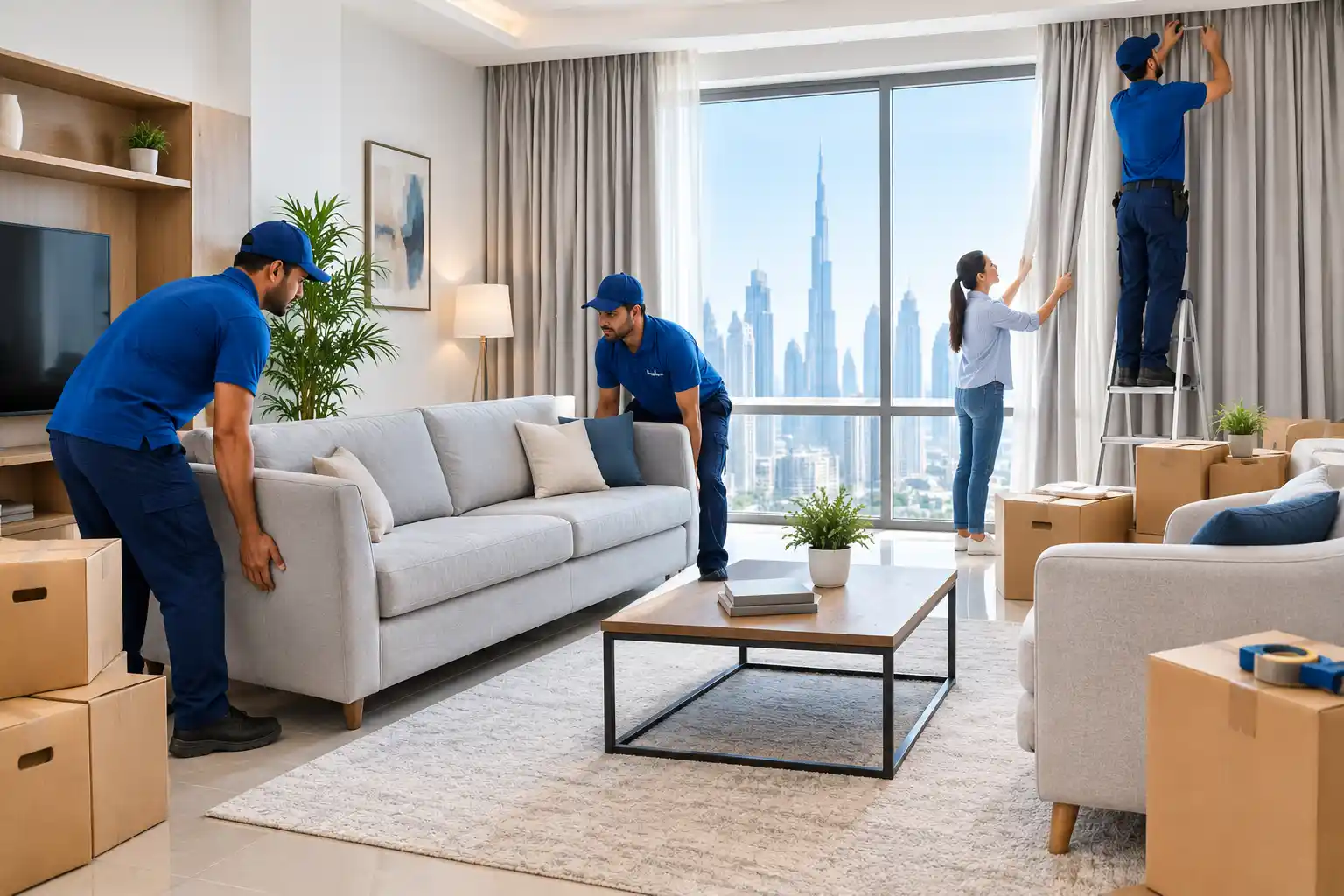
Moving into a new home in Dubai is an exciting milestone, but arranging the furniture and preparing the rooms can take more planning than expected. Even after the moving boxes arrive, there are important decisions to make about furniture placement, window coverings, room measurements, storage, lighting, and the order in which everything should be installed.
A well planned setup helps you avoid unnecessary lifting, protect your floors and walls, and make the most of the available space. If you need help transporting bulky household items, experienced furniture moving professionals in Dubai can help make the transition more manageable. Once the furniture reaches your new property, a clear setup plan will help you turn an empty or cluttered space into a comfortable home.
This guide explains how to arrange furniture, prepare windows, organize each room, and avoid common mistakes when settling into a new apartment or villa in Dubai.
1. Inspect Your New Home Before Arranging Furniture
Before unpacking everything, take time to inspect the property. It is much easier to identify problems while rooms are still relatively empty than after wardrobes, sofas, and cabinets have been positioned.
Start with a walkthrough of every room. Check the floors, walls, doors, windows, electrical sockets, and built in storage. Look for marks or damage that may have occurred before you moved in, and photograph anything that requires attention.
Check room dimensions and access points
Measure the length and width of each room, paying attention to corners, door openings, and narrow passages. If you have large furniture, measure the route it must take from the entrance to its final position.
Consider the following details:
- Doorway width and height
- Corridor turns and narrow passages
- Lift dimensions and weight restrictions
- Balcony doors and window access
- Available wall space for wardrobes and cabinets
- Electrical outlets and air conditioning vents
These measurements help prevent problems such as a sofa blocking a doorway or a wardrobe covering an electrical socket.
Confirm which fixtures are already installed
Some Dubai properties include built in wardrobes, kitchen cabinets, bathroom mirrors, or window coverings. Others are handed over with relatively bare rooms. Confirm what is included before buying replacement items or arranging installation work.
If you are renting, check your tenancy agreement and ask the landlord or property manager before drilling into walls or making permanent changes.
2. Plan Curtain Installation Before Final Furniture Placement
Window coverings should be considered early in your home setup because they affect privacy, sunlight, temperature, and the overall appearance of a room. In Dubai, large windows and strong sunlight can make suitable curtains particularly important in bedrooms and living areas.
Before purchasing new fabric or reusing curtains from your previous home, measure the windows carefully. For made to measure coverings or help with installation, you can explore professional window dressing and installation options.
Measure windows accurately
Measure the width of the window or the intended curtain track, rather than relying only on the glass dimensions. Then measure the required drop from the planned track or pole to the desired finishing point.
Check whether the new home has ceiling mounted tracks, wall mounted brackets, recessed curtain channels, or existing fittings. These details influence the type of curtains you can install.
If you plan to reuse existing curtains, do not assume they will fit simply because the windows look similar to those in your old property.
Choose suitable fabric for each room
Different rooms have different requirements.
- Bedrooms: Blackout curtains can help reduce unwanted light and support a comfortable sleeping environment.
- Living rooms: Sheer curtains combined with heavier curtains offer flexible daylight control and privacy.
- Home offices: Light filtering fabrics can reduce glare on computer screens without making the room unnecessarily dark.
- Children’s rooms: Choose practical fabrics that are easy to clean and install window coverings securely.
Fabric colour also matters. Light neutral shades can make a small room feel more open, while darker colours can create contrast in a spacious interior.
Complete drilling and installation before the final arrangement
Where possible, arrange curtain tracks and brackets before placing delicate furniture directly beneath the windows. Drilling can produce dust, and installers may need ladders or tools that could scratch nearby surfaces.
If furniture is already in place, move it away from the work area and cover it properly. Check for hidden wiring and pipes before drilling, and use suitable fixings for the wall type.
3. Arrange Large Furniture Before Small Items
Once the property has been inspected and the main measurements are complete, begin with the largest furniture pieces. These items determine how people move through the home and how much usable space remains.
Start with beds, wardrobes, sofas, dining tables, and large storage units. Smaller pieces such as side tables, lamps, decorative shelves, and accessories can be arranged later.
Position furniture according to how the room is used
Think about everyday activities rather than placing everything against a wall automatically.
In a living room, position the sofa and chairs to encourage conversation while leaving a clear path to the entrance, balcony, or adjoining rooms. Keep enough distance between the seating and coffee table for comfortable movement.
In a bedroom, leave accessible space around the bed where possible. Make sure wardrobe doors open fully and bedside tables do not obstruct walking routes.
For dining areas, allow sufficient room to pull chairs away from the table without blocking the main passage.
Protect floors and walls while moving heavy items
Never drag a heavy sofa, cabinet, or bed frame across an unprotected floor. Scratches can be difficult and expensive to repair, particularly on polished tiles, timber finishes, and delicate flooring.
Use suitable furniture sliders on compatible surfaces, protective blankets where appropriate, and enough people to control the weight safely. For particularly heavy or awkward pieces, professional assistance is preferable to risking injury or property damage.
Once each item is in position, inspect the surrounding area before moving on to the next piece.
4. Set Up the Bedroom for Comfortable Everyday Use
The bedroom should be one of the first rooms you make functional. After a long moving day, having a ready bed, accessible clothing, and basic lighting makes settling in considerably easier.
Assemble the bed and organize essential belongings
Place the bed where it allows comfortable access and does not interfere with doors or wardrobes. If the room has limited space, consider whether the bed should be positioned against a solid wall or adjusted to create a wider walking route.
Unpack bedding, pillows, and essential clothing before opening every remaining box. This keeps the room usable while other parts of the home are still being organized.
Make storage practical
Avoid filling every wardrobe shelf immediately. Group clothing by type and keep frequently used items within easy reach. Use drawer organizers or storage boxes to separate smaller belongings.
If the bedroom is compact, use the space beneath the bed where suitable, but avoid storing items in a way that blocks ventilation or makes cleaning difficult.
Coordinate curtains with the sleeping area
Check that the curtains provide the desired privacy and light control. Make sure the fabric does not interfere with bedside lamps, window handles, or air conditioning airflow.
If the bed sits near a window, leave enough room to open the curtains and access the window for cleaning or ventilation.
5. Organize the Living Room Without Making It Feel Crowded
The living room often contains several large items, including a sofa, television unit, coffee table, shelving, and occasional chairs. Without a plan, these pieces can make the space feel smaller than it really is.
Create clear walking routes
Identify the main route between the entrance, seating area, balcony, and other rooms. Keep this path clear before adding decorative furniture.
Avoid positioning the sofa where it blocks natural light or restricts access to a window. In smaller apartments, choosing fewer appropriately sized items is often more effective than filling every available corner.
Plan television and entertainment equipment
Choose a suitable position for the television and its supporting furniture. Consider viewing distance, available electrical outlets, cable management, and glare from windows.
If you intend to mount a television on the wall, arrange the installation before finalizing nearby decorative pieces. Confirm that the wall and mounting hardware are suitable for the equipment.
Keep cables organized and away from walking paths, especially if children or pets live in the property.
Add decorative items gradually
Once the essential furniture is in place, introduce rugs, cushions, lamps, plants, and artwork. Begin with a few items and evaluate the overall balance before adding more.
A rug can help define the seating area, while curtains can connect the colours used throughout the room. Avoid placing too many decorative objects on tables and shelves, as they can make the space feel cluttered.
6. Make the Kitchen Functional Before Unpacking Everything
The kitchen should be organized around your daily routine. You do not need to unpack every utensil and appliance immediately, but the items required for basic meals should be easy to access.
Start by checking the available cabinets, drawers, countertops, and appliance spaces. Clean shelves before placing food, cookware, and kitchen equipment inside them.
Group items according to their purpose
Keep frequently used plates, glasses, and utensils near the areas where you prepare and serve meals. Store cooking equipment close to the worktop or hob where it is most useful.
Heavy cookware should be stored in suitable lower cabinets when practical. Avoid overcrowding shelves or placing heavy objects where they could fall when a cabinet door opens.
Check appliances before connecting them
Inspect appliances for visible damage after transport. Follow the manufacturer’s instructions when reconnecting refrigerators, washing machines, dishwashers, and other equipment.
Some appliances require particular installation conditions or time to settle after being transported. Follow the manufacturer’s guidance rather than assuming every appliance can be switched on immediately.
If a connection requires electrical, plumbing, or other specialist work, use a qualified professional.
7. Create a Practical Home Office or Study Area
A home office can be difficult to organize when the rest of the home is still filled with boxes. Setting up a functional workspace early can help you return to work without waiting for every room to be completed.
Choose a location with sufficient lighting, comfortable seating, and access to power. If possible, position the desk where daylight is available without creating excessive glare on the screen.
Arrange equipment carefully
Place the monitor at a comfortable viewing height and ensure the chair allows you to sit with your feet supported. Keep chargers, stationery, and frequently used documents in accessible storage.
If you work from home regularly, consider sound levels and whether the workspace will remain usable when other household activities are taking place.
Protect computers, monitors, printers, and other sensitive equipment during unpacking. Check cables and accessories against your inventory so that essential components are not left inside unidentified boxes.
8. Avoid Common Furniture Setup Mistakes
Many home setup problems result from rushing decisions that could have been made before moving day.
Buying furniture before measuring
A piece may look suitable in a showroom but be too large for your room, doorway, or lift. Measure the available space and the furniture itself before making a purchase.
Installing curtains too late
Leaving window coverings until the last minute can mean living without sufficient privacy or light control. Measure early and allow time for any required fittings or made to measure products.
Blocking air conditioning vents
Avoid placing tall furniture directly in front of air conditioning vents or restricting airflow around equipment. Poor placement can reduce comfort and interfere with normal operation.
Filling every room immediately
It is tempting to unpack everything at once, but unnecessary furniture and open boxes can make the home difficult to navigate. Complete the essential rooms first and make additional decisions after understanding how you use the space.
Forgetting to protect newly finished surfaces
Furniture assembly, drilling, and unpacking can damage walls, floors, and doors. Use appropriate protective coverings and clean up dust before moving delicate items into the area.
9. Follow a Simple Furniture Setup Schedule
A basic schedule helps you focus on what matters most without trying to finish the entire home in one day.
Moving day
- Inspect the property and photograph existing damage.
- Direct movers to place large items in their intended rooms.
- Assemble the bed and prepare basic bedding.
- Keep essential documents, chargers, toiletries, and medicines accessible.
- Avoid opening every box before the main furniture is positioned.
First two days
- Organize the bedroom and bathroom.
- Set up essential kitchen items.
- Arrange the sofa and basic living room seating.
- Confirm curtain measurements and installation requirements.
- Check that appliances and essential utilities are working properly.
First week
- Complete curtain installation and remaining furniture assembly.
- Organize wardrobes, cabinets, and storage areas.
- Set up the home office if required.
- Add lighting, rugs, and selected decorative pieces.
- Remove empty cartons and dispose of packing materials responsibly.
The schedule can be adjusted to suit your property, work commitments, family needs, and installation availability. The important point is to prioritize essential functions before decorative details.
10. Keep Your Home Organized After the Move
Once the main furniture has been installed, spend a little time reviewing how the home works in practice. A layout that looks good initially may need small changes after you begin using the space every day.
Notice whether doors open comfortably, walkways remain clear, and frequently used items are easy to reach. If a table repeatedly obstructs movement or a storage unit makes a room feel cramped, consider repositioning it before adding more belongings.
Keep a small list of outstanding tasks, such as adjusting a curtain track, securing a loose handle, organizing cables, or arranging additional storage. Completing these tasks gradually is often easier than attempting a full home makeover immediately after moving.
Regular cleaning also helps protect furniture and window coverings. Follow the care instructions for upholstery and curtain fabrics, and use suitable products for your flooring and furniture finishes.
Frequently Asked Questions
What should I set up first after moving into a new home?
Start with the bed, essential bathroom items, basic kitchen equipment, and the furniture you need for everyday living. Then arrange curtains, storage, and less essential items.
Should curtains be installed before furniture arrives?
Installing curtains before large furniture arrives can make the work easier and reduce the risk of dust or accidental damage. If this is not possible, move or cover nearby furniture before installation.
How do I arrange furniture in a small Dubai apartment?
Measure the room, prioritize essential pieces, and maintain clear walking routes. Choose furniture that fits the available space and avoid blocking windows, doors, or air conditioning vents.
How can I protect my furniture during setup?
Use suitable protective coverings, avoid dragging heavy pieces across floors, and use enough people to handle bulky items safely. Professional assistance can help with furniture that is difficult to maneuver.
How long does it take to set up a new home?
The essential rooms can often be made functional within the first few days, while full unpacking, storage organization, and decorative finishing may take longer. The timeline depends on the property’s size, the amount of furniture, and the availability of installation services.
Conclusion
Setting up furniture and curtains after moving into a Dubai home becomes much easier when you work in the right order. Inspect the property first, measure the rooms and windows, arrange large furniture before smaller pieces, and make essential spaces functional before concentrating on decoration.
Planning window coverings early, protecting floors during furniture placement, and organizing belongings room by room can save time and reduce unnecessary work. Instead of rushing to finish every detail, focus on creating a comfortable and practical home that suits your daily routine.